
Abacus, counting board
17 €
Counting board
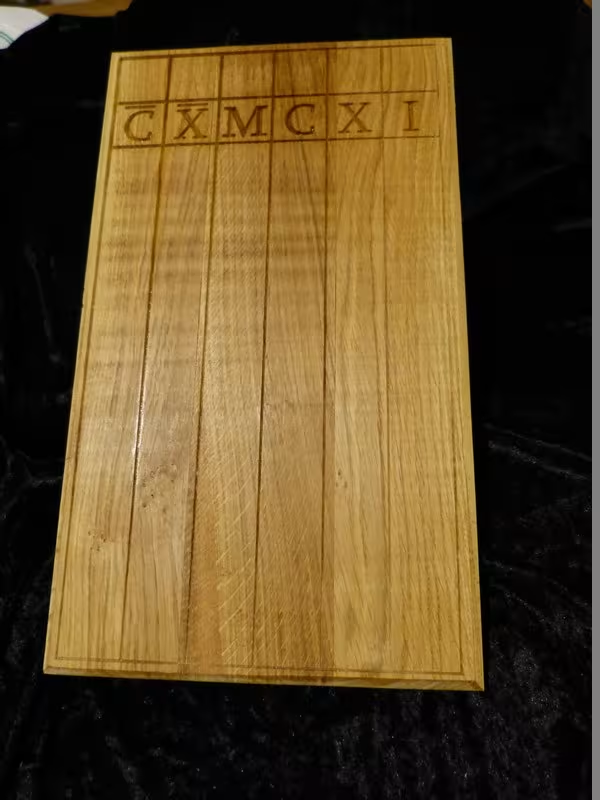
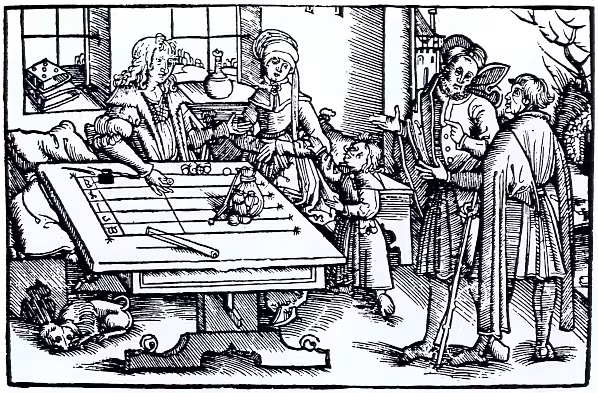
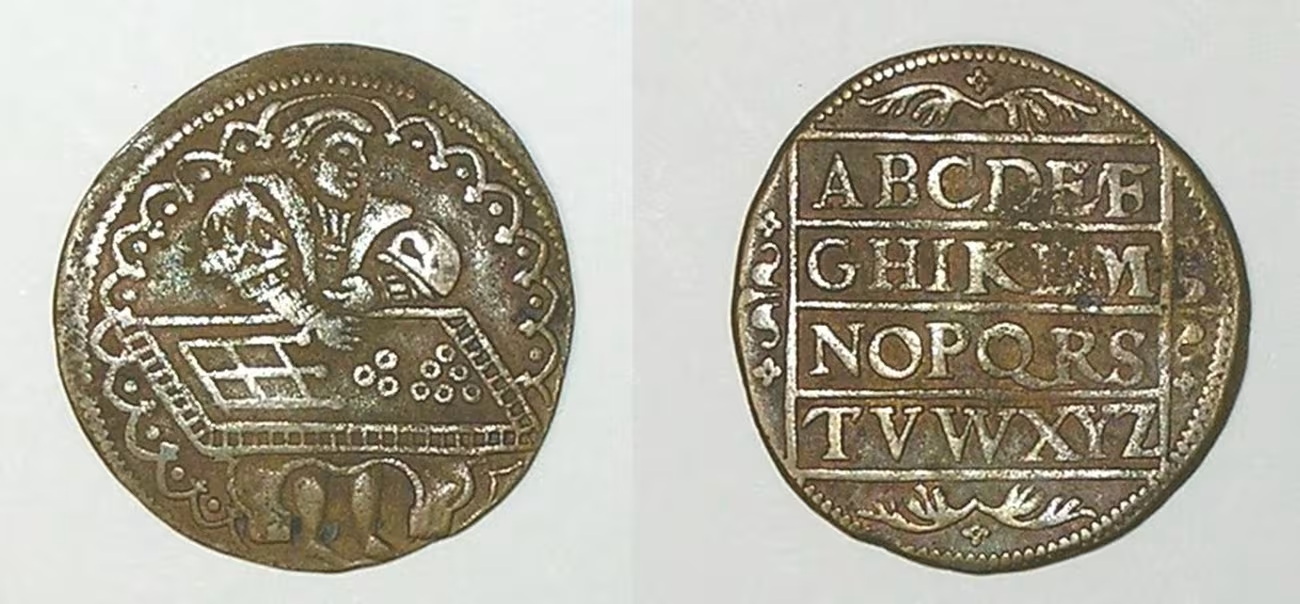
This is a table or board divided into several columns, each column representing a power of 10. One also has pebbles, counters or stones (called calculi), which are placed in the chosen columns. The Romans did not have a decimal written numeral system. However, their use of the abacus shows that they knew the principle. Later, the abacus gained boxes above each column representing 5 units of the associated power of 10.
The principle of addition and subtraction is easy to understand. Carrying is done by replacing 10 pebbles in one column with one pebble in the next column (and vice versa).
Multiplication was somewhat more complicated. One could either add the starting number as many times as necessary, or use doubling with the Egyptian multiplication method.
This object, which came from Greek culture, remained in use until the 16th century, when, after long resistance, it was finally supplanted by Arabic numerals.
The board shown here measures 27 x 45 cm. It is made of oak or chestnut.
The different models of calculi are available below.
- Materials
- Chêne, châtaignier, hêtre....
- Periods
- Antiquity, Merovingians and Carolingians, Middle Ages, 12th-13th centuries (Crusades), Hundred Years' War and 15th century, Renaissance