
Bronze or copper wick holder
8 €
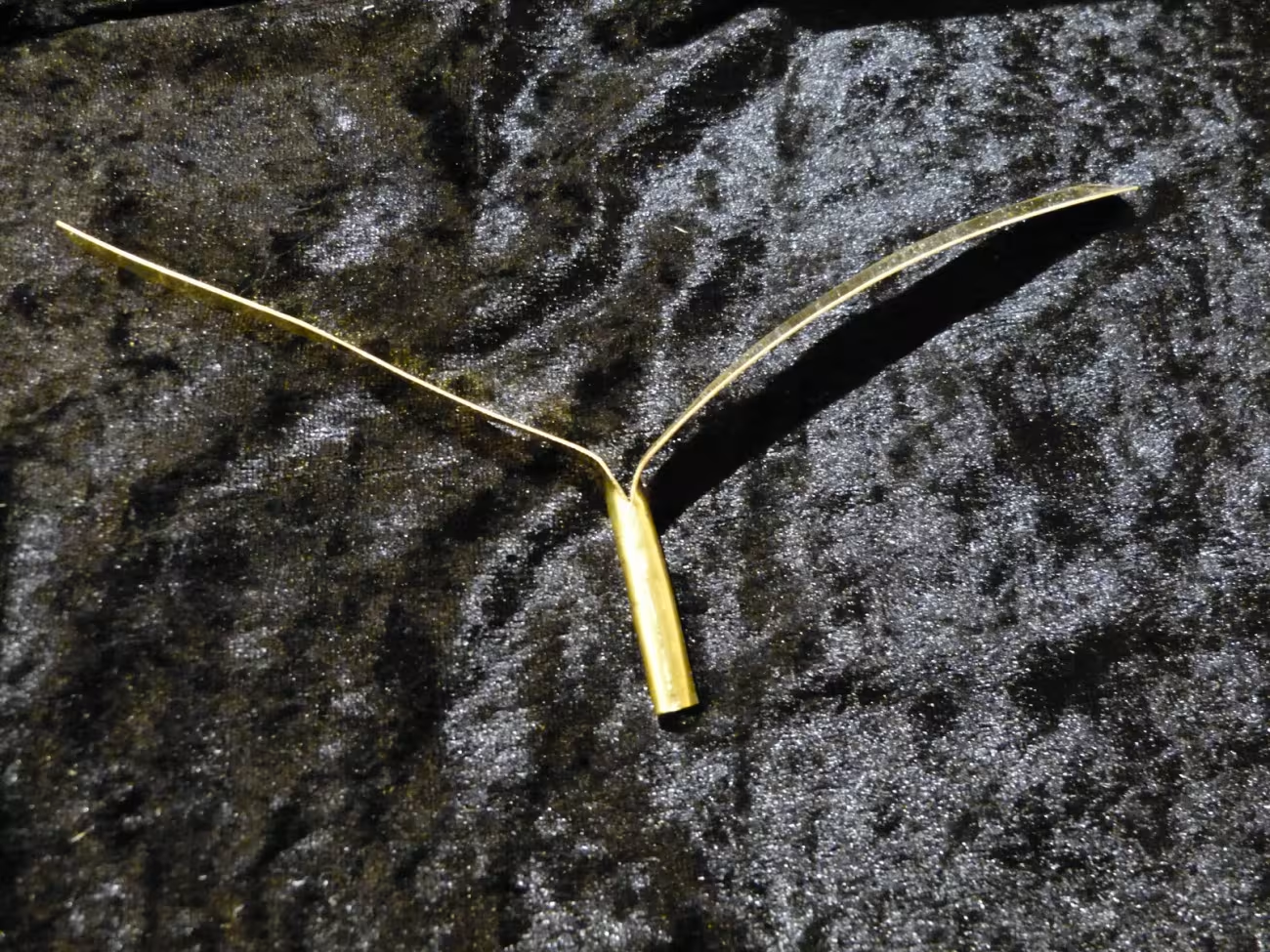
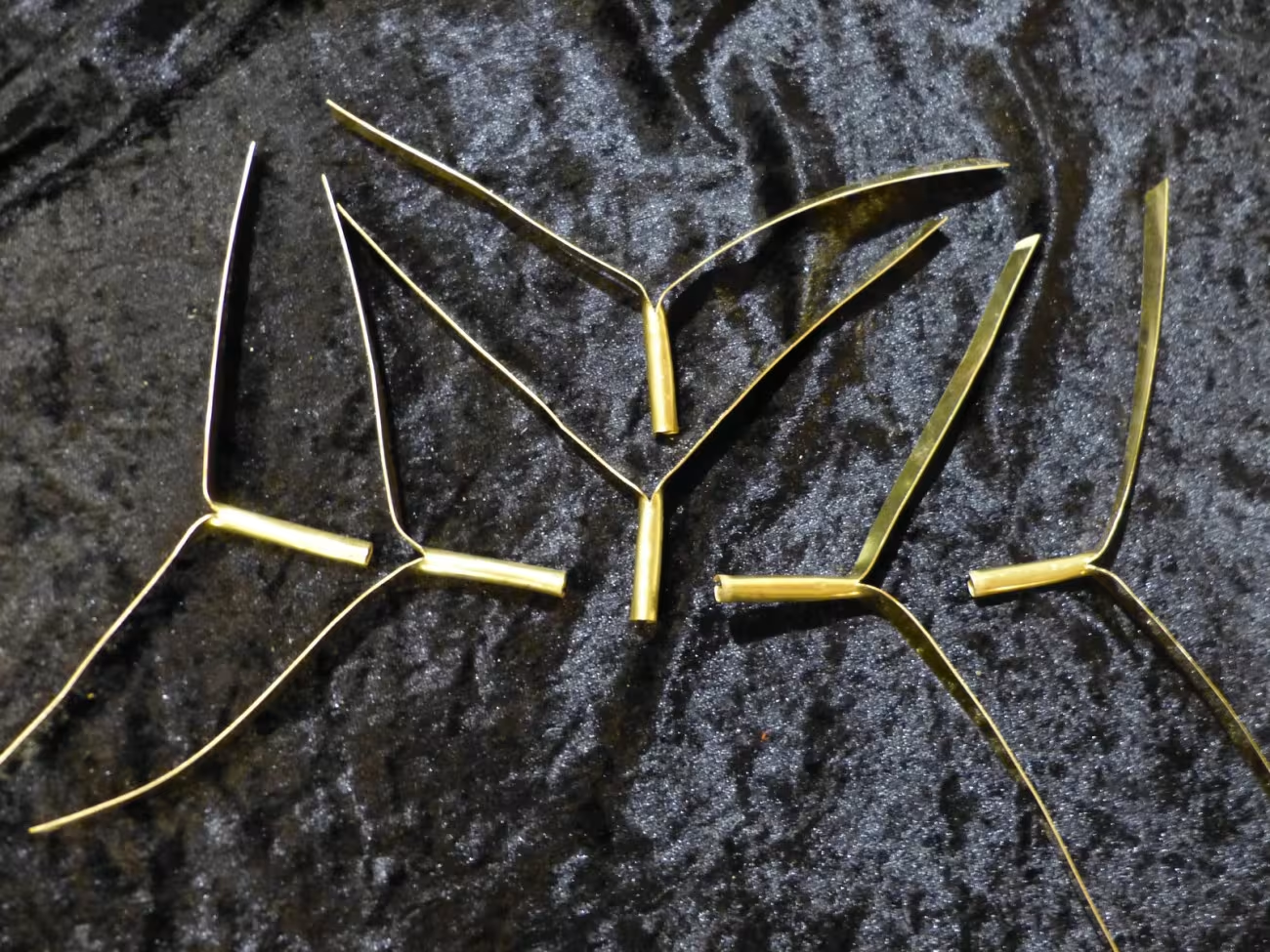
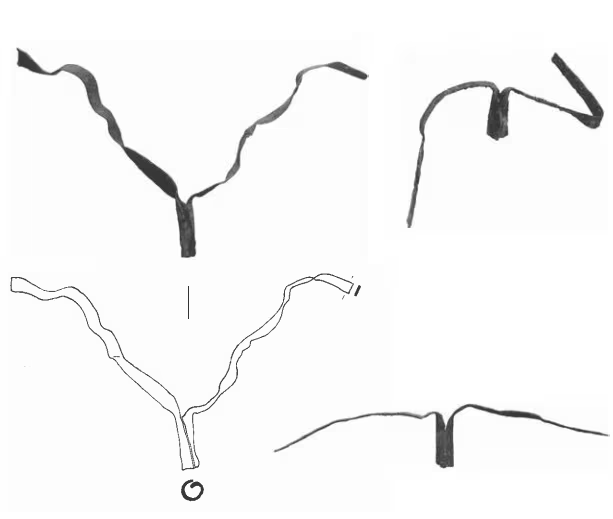
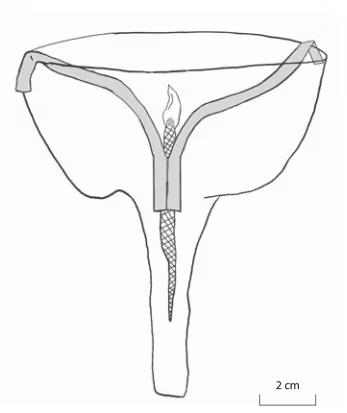
Made from a metal strip, about 1.5 cm wide and some fifteen cm long, rolled into a cylinder that was then split along three quarters of its length to form one or two long arms, these wick holders are extremely common in the Near East in contexts dated from the 6th to the beginning of the 8th century. The wick was passed through the cylindrical part of the holder and the two tapering arms hooked onto the rim of the lamp.
These holders were probably used throughout the Middle Ages, as the bronze pieces discovered at Santa Maria della Grotta in Marsala, in a 13th-century context, would tend to show.
Although these socket-shaped fittings are less frequent in the western provinces, they are worth noting in Tunisia, at Carthage, as well as in Rome.
- Materials
- Bronze
- Periods
- Antiquity, Merovingians and Carolingians