
Folding curule chair
150 to 280 €
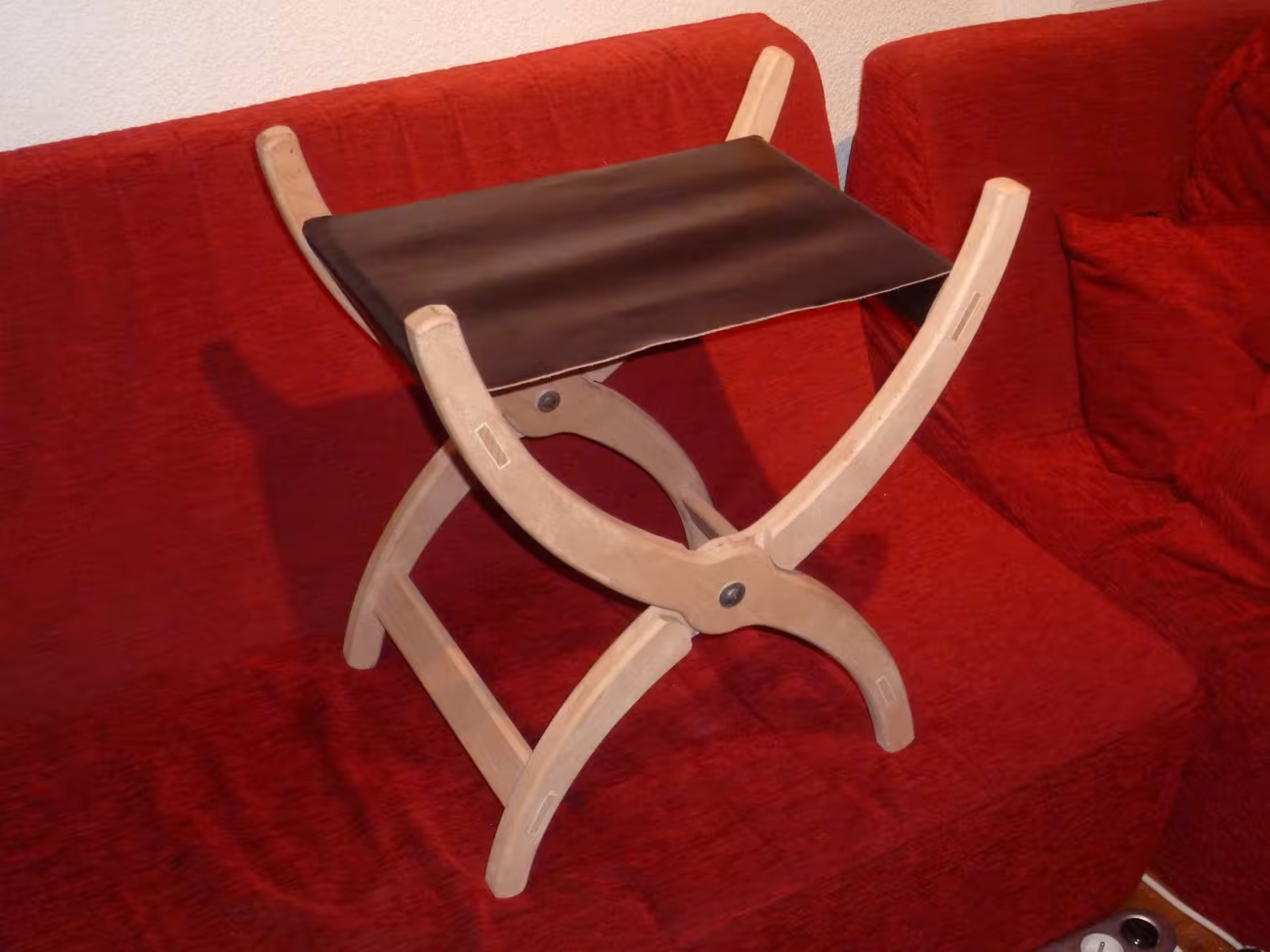
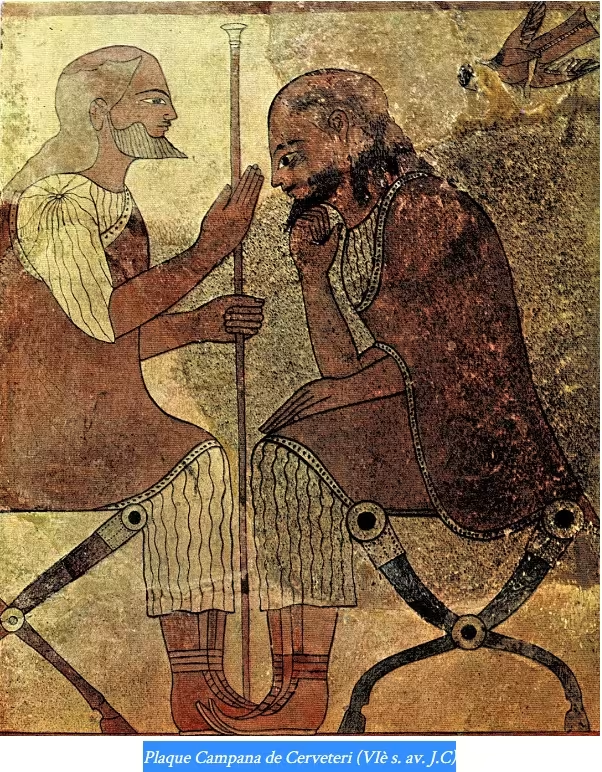
Curule seats predate the Roman Empire, and their use and making have continued to the present day. They were sometimes folding, sometimes fixed, and their decoration matched their owners’ status. They could then be true portable thrones, such as the one depicted on the Bayeux Tapestry.
INRAP states:
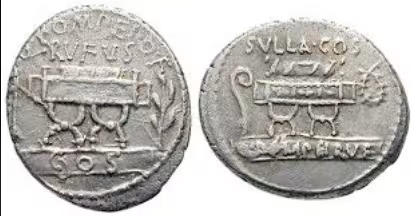
“The curule chair is one of the major symbols of power in Rome. Of Etruscan tradition, its use in Rome was at first reserved for the high magistrates (consuls, praetors) holding the imperium, that is, the power to command and to punish. Under Augustus, it is one of the attributes of the emperor. Two types of seat are recorded. On the one hand, the sella curulis proper, recognisable by its S-shaped legs: first reserved for the civil magistracy, it became a luxury domestic object reserved for an elite from the 1st century AD. On the other hand, the sella castrensis, with its X-shaped profile, which was the preserve of military officers.”
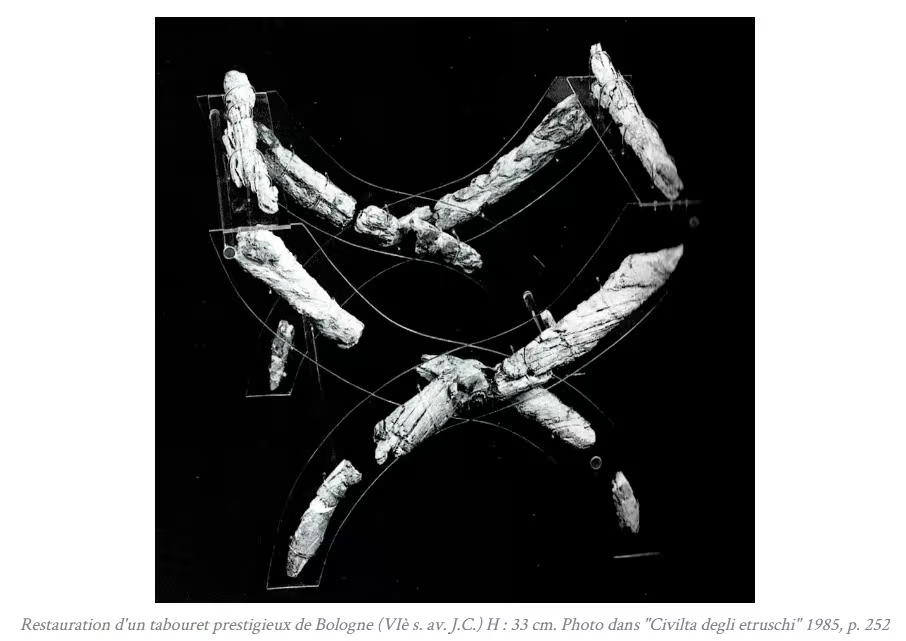
In Antiquity, the simplest were mostly of steel, some even of solid silver for senators, of solid gold for Julius Caesar (by special dispensation), or of ivory with bronze legs, like the one found in Bologna in the “dei Giardini Margherita” burial.
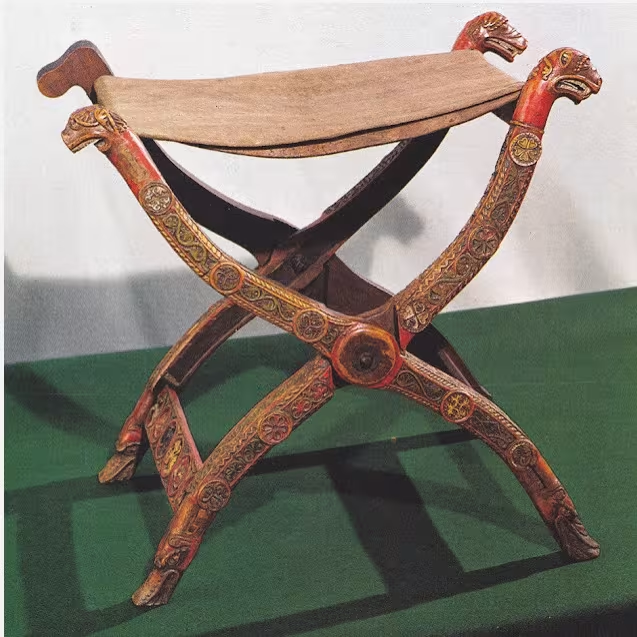
Then wood became very widespread throughout the medieval period. It was carved with dragons (feet) and lions (upper uprights) to express the victory of good (the lion, symbol of Mark the Evangelist) over evil (the dragon, symbol of Satan).
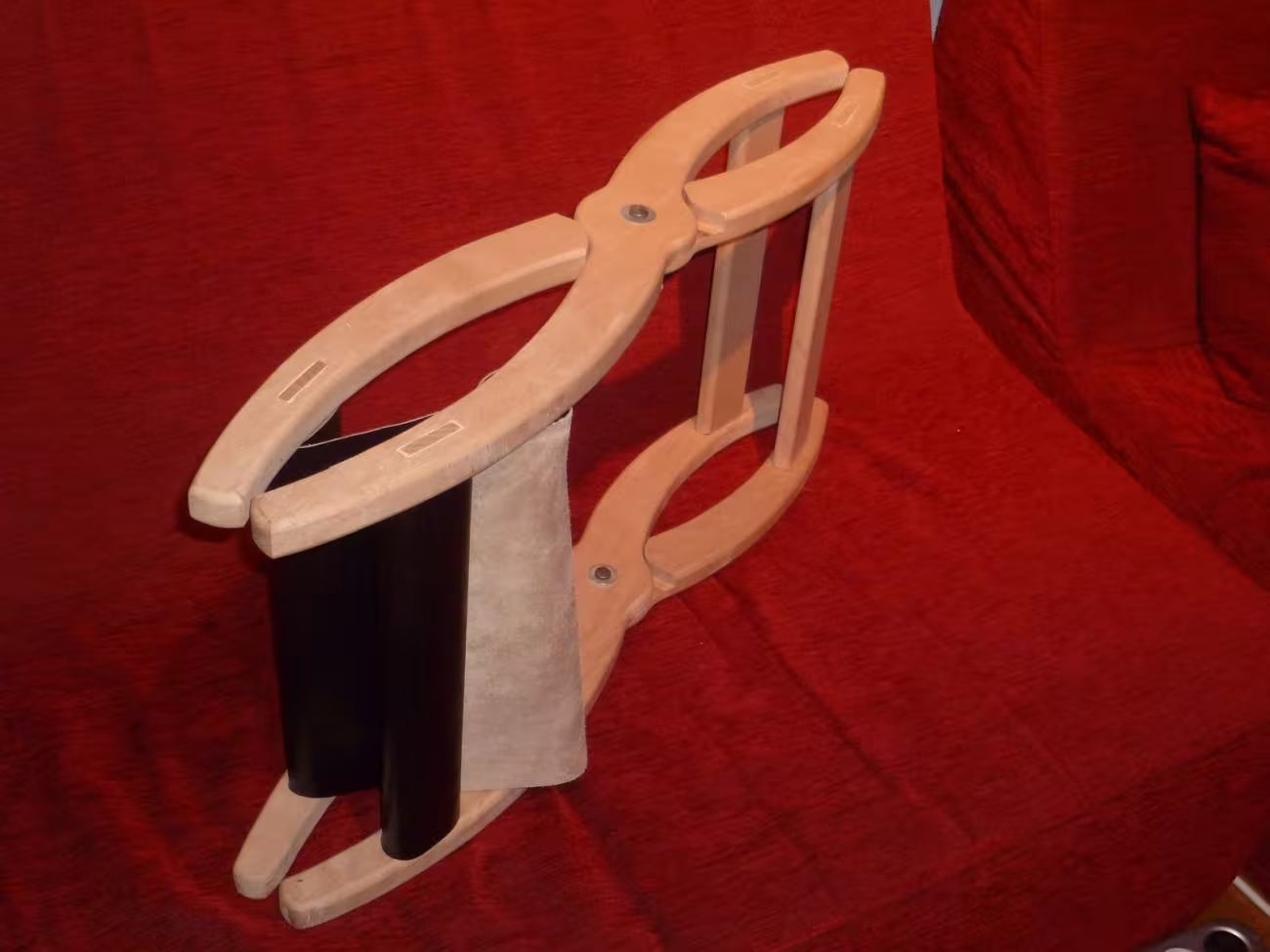
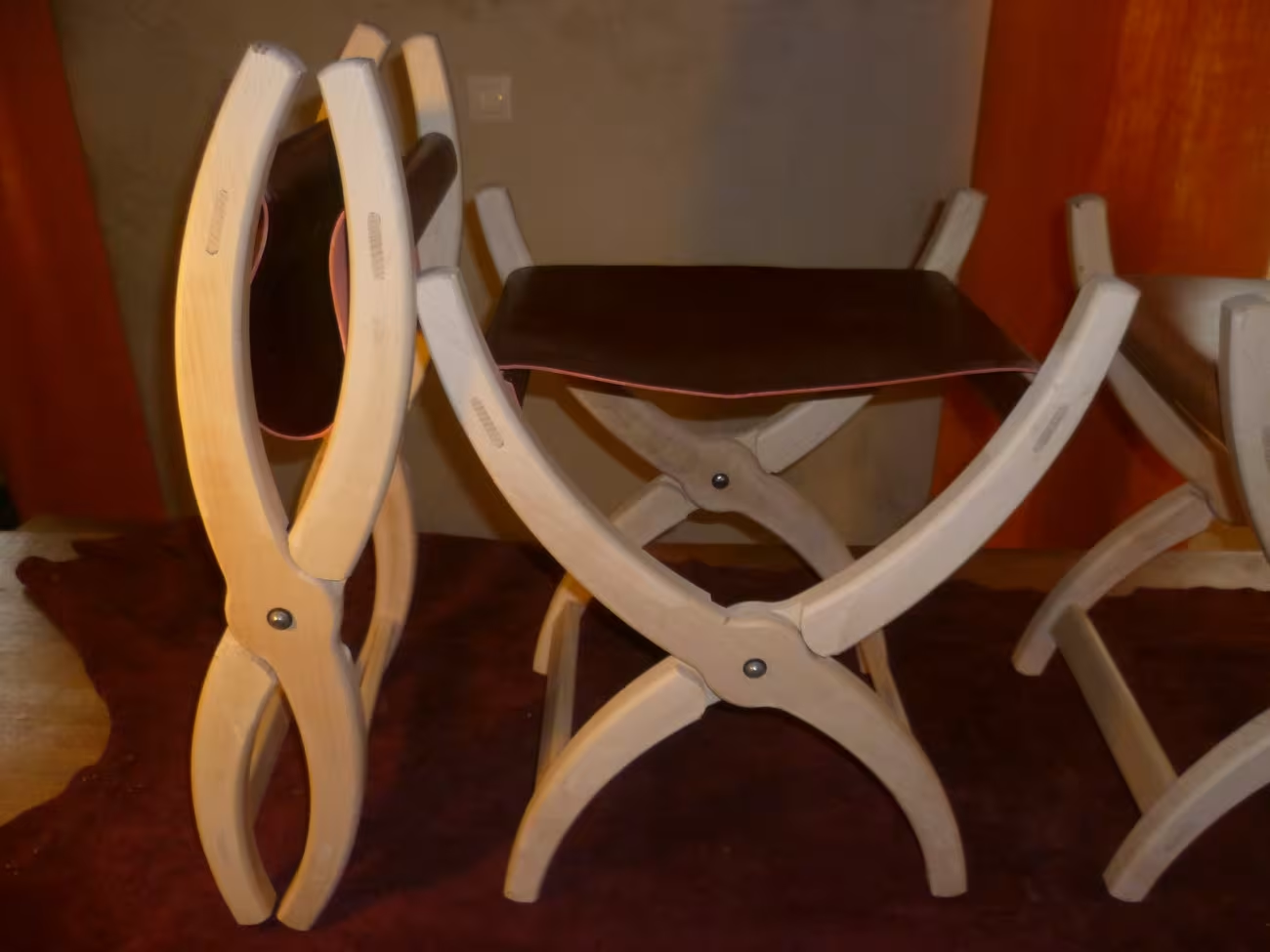
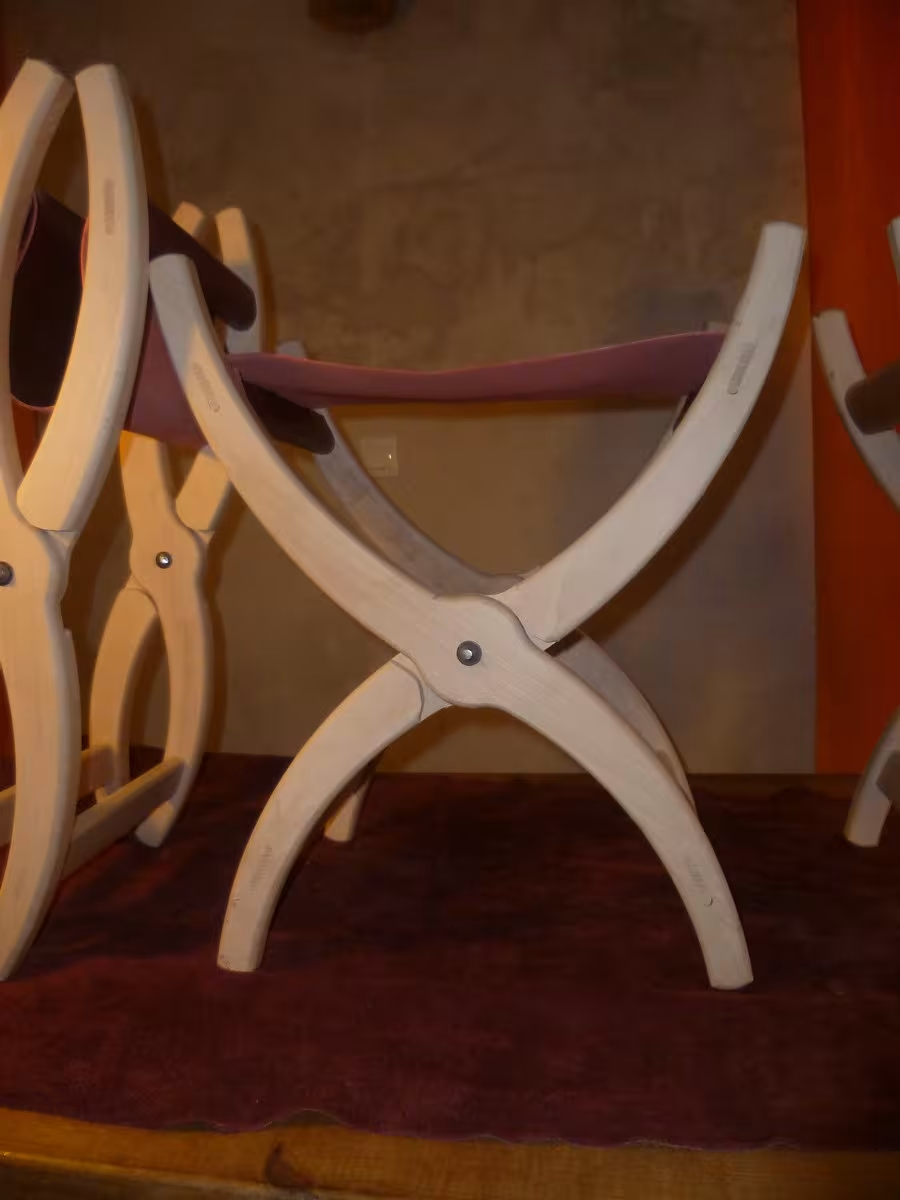
This seat is made of beech, assembled with mortise and tenon joints. The moving parts are riveted together and the leather seat is nailed to the frame. Any kind of leather, textile, embroidery, tapestry or lacing can be used for the seat.
The legs can be carved, stained...
- Materials
- Hêtre, acier, cuir Au choix : Blanc, Noir, Marron/Naturel, Jaune, Bleu, Rouge, Vert, Tannage végétal, Tannage minéral.
- Periods
- Antiquity, Merovingians and Carolingians, Middle Ages, French Revolution, Vikings, 12th-13th centuries (Crusades), Hundred Years' War and 15th century, Renaissance, 17th century, 18th century, Modern era